

The Digital Age in the Philippines: A Double-Edged Sword
The internet has opened up a world of convenience for Filipinos, from instant communication to online shopping and digital banking. However, this digital convenience comes with a significant risk. A recent, startling study by the GSMA, a global organization for mobile network operators, has shed light on a concerning trend: more than half of all adult Filipinos, a staggering 52%, have been victims of an online scam.
This finding, presented at a technology conference in Manila, underscores a growing problem that affects not just our finances, but our emotional well-being. The number is a full 7 points higher than the regional average in Southeast Asia, positioning the Philippines as a hotspot for digital fraud. This article delves into the details of the GSMA report, explores the most common scams targeting Filipinos, and provides actionable steps to protect yourself and your hard-earned money.
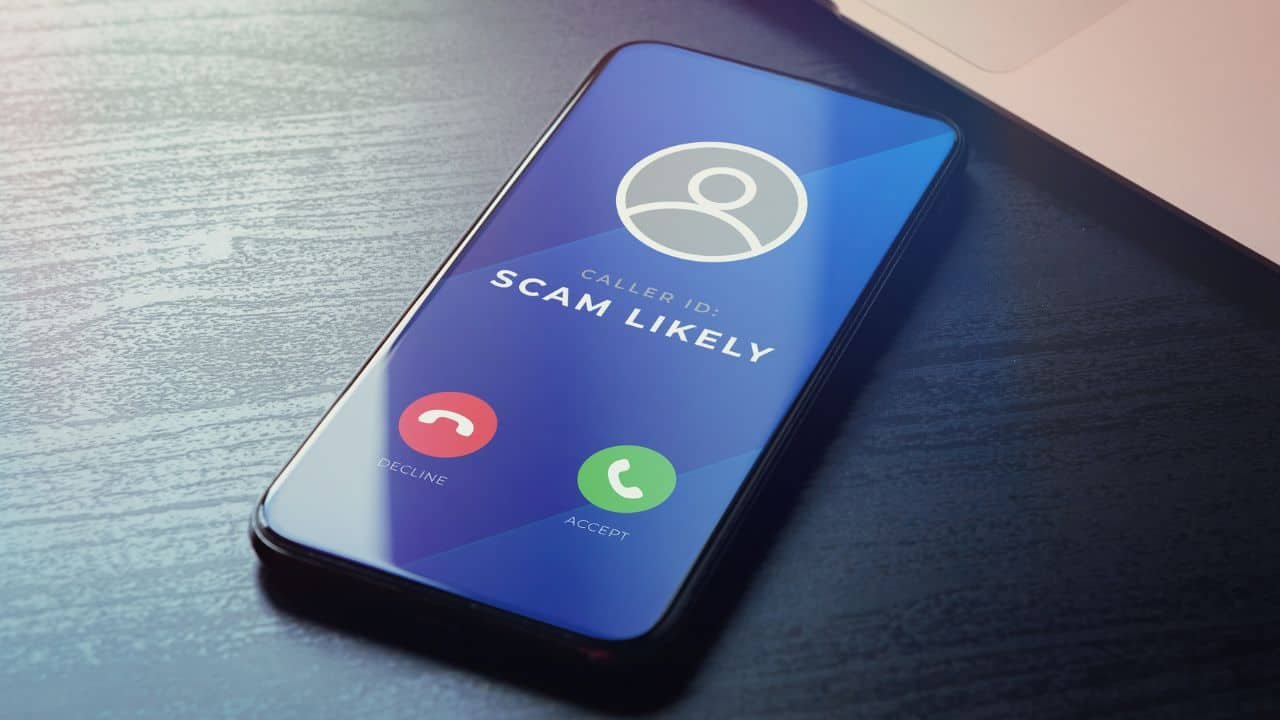
A Closer Look at the Alarming Numbers
The GSMA study paints a grim picture of the current state of cybersecurity in the country. The problem isn’t just widespread; it’s accelerating. According to the report, 8% of the adult population fell victim to a scam in the last year alone, indicating one of the fastest-growing rates of fraud in the region.
The consequences of these scams are severe and multifaceted:
- Financial Loss: A significant 68% of victims reported losing money. For 11% of these individuals, the financial loss was described as “major,” potentially wiping out savings or causing significant debt.
- Emotional Distress: The impact isn’t just monetary. Nearly half of the victims (45%) experienced emotional and psychological stress as a result of being scammed.
- Time and Effort: For 28% of victims, a great deal of time and effort was required to resolve the issues caused by the scam, from reporting the incident to trying to recover funds and secure compromised accounts.
With public concern at an all-time high—96% of Filipinos worry about being scammed or hacked—it’s clear that digital security is a paramount issue for the nation.
The Modern Scammer’s Toolkit: Common Scams in the Philippines
The study identified social media platforms as the primary hunting ground for scammers. Understanding their methods is the first step toward building a strong defense. Here are some of the most prevalent types of online scams targeting Filipinos today:
1. Phishing and Smishing Attacks
These are fraudulent attempts, usually via email (phishing) or text message (smishing), to trick you into revealing sensitive information. Scammers impersonate legitimate organizations like banks, government agencies, or popular online services. They often create a sense of urgency, claiming your account is compromised or you’ve won a prize, and provide a link to a fake website to harvest your login credentials or financial details.
2. Fake Job Offers
With many Filipinos seeking better opportunities, scammers prey on job seekers with too-good-to-be-true employment offers. These scams often promise high salaries for simple, remote tasks. The catch? The victim is usually asked to pay a “processing fee,” buy specific equipment from the scammer’s contact, or provide extensive personal information that can be used for identity theft.
3. Investment and Cryptocurrency Scams
Promising guaranteed high returns with little to no risk, these scams lure victims into fraudulent investment platforms or cryptocurrency schemes. Scammers often use sophisticated websites and fake testimonials to appear legitimate. Once the money is invested, it typically vanishes, and the platform becomes inaccessible.
4. Online Shopping and Marketplace Fraud
This involves fake sellers on platforms like Shopee, Lazada, or Facebook Marketplace. They may offer popular gadgets or items at unusually low prices. After receiving payment through a direct transfer, they either disappear without sending the product or ship a counterfeit or completely different item.
Your Best Defense: How to Stay Safe Online
While the statistics are daunting, you are not powerless. Adopting a security-conscious mindset and following best practices can dramatically reduce your risk of becoming a victim.
- Think Before You Click: Be skeptical of unsolicited emails and text messages. If a message urges immediate action, it’s a major red flag. Hover over links to see the actual URL before clicking, and always log in to your accounts through official websites or apps, not through links in messages.
- Verify Everything: If you receive a message from a supposed bank or service provider, contact them directly through their official customer service channels to verify the communication. For online sellers, check their ratings, reviews, and history.
- Use Strong, Unique Passwords: Avoid using the same password across multiple sites. A password manager can help you create and store complex passwords for all your accounts. Enable two-factor authentication (2FA) whenever possible for an extra layer of security.
- Secure Your Payments: Avoid making direct bank transfers to unknown sellers. For secure online and contactless payments, consider using established digital wallet services. As more Filipinos embrace digital finance, tools like these are becoming essential. You can learn more in our guide to Google Wallet in the Philippines and how it can help secure your transactions.
- Keep Your Software Updated: Regularly update your phone’s operating system and apps. These updates often contain critical security patches that protect you from the latest threats.
The Industry Fights Back
In response to this growing crisis, the GSMA announced that the mobile industry is taking action. A new pilot program is being launched that will allow telecommunications companies to share approved, anonymized data about scam threats with banks and technology firms. The goal is to create more robust, collaborative detection systems to stop scams before they reach consumers. This initiative is a promising step forward, with a test run anticipated for early 2026.
Conclusion: Vigilance is Key
The digital world offers immense benefits, but it requires us to be more vigilant than ever. The GSMA study is a critical wake-up call for every Filipino who uses a smartphone or computer. By understanding the tactics scammers use and adopting safer online habits, we can collectively turn the tide against digital fraud. Stay informed, stay skeptical, and share this knowledge with your friends and family to help build a safer digital Philippines for everyone.
