

How many times have you checked your data balance only to find a significant amount of gigabytes about to expire? It’s a shared frustration among millions of Filipinos who rely on mobile data for work, school, and staying connected. That feeling of “sayang” — of wasted money and resources — is precisely what a promising new bill in the House of Representatives aims to eliminate. The proposed Roll-Over Data Act is gaining momentum, and it could fundamentally change how we consume and pay for mobile data in the Philippines.
This consumer-centric proposal targets the long-standing industry practice of expiring unused data allocations. If passed into law, it would compel telecommunication companies and internet service providers (ISPs) to allow subscribers to carry over their unused data into the following billing cycles. Let’s break down what this landmark bill entails and what it could mean for your digital life.
What Exactly is the Roll-Over Data Act?
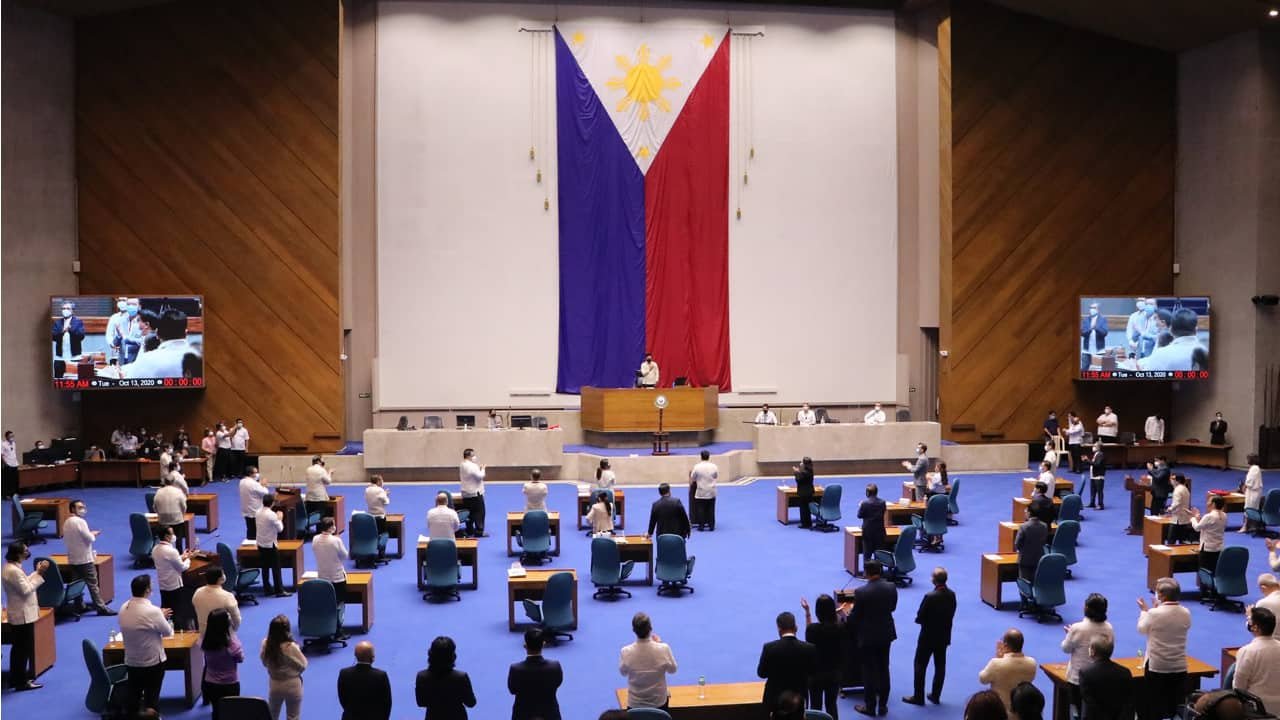
At its core, the Roll-Over Data Act is a measure designed to protect Filipino consumers, ensuring they get the full value of the data they purchase. Spearheaded by Camarines Sur Representative Miguel Luis Villafuerte, who chairs the committee that approved the bill, the proposal labels the current system of data forfeiture as inherently “unfair.”
“People should not lose data they have purchased after a day, week, or month,” Villafuerte argued, echoing a sentiment widely held by the public. The bill consolidates three earlier proposals into one robust legislative effort. It mandates that any unused data from a subscription—whether prepaid or postpaid—be automatically carried over to the subsequent period, preventing the all-too-common scenario of data vanishing at the stroke of midnight on an expiry date.
How Will This Affect You? A Breakdown for Subscribers
The proposed legislation provides distinct mechanisms for postpaid and prepaid users, acknowledging the different ways Filipinos subscribe to mobile services. Here’s a closer look at how each user type stands to benefit.

For Postpaid Subscribers: Your Data, Compounded
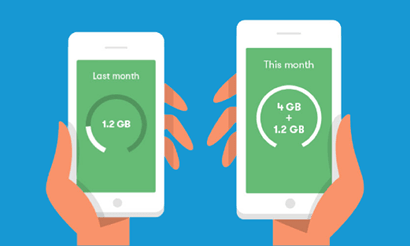
Postpaid plan holders are set for a significant advantage. Under the Roll-Over Data Act, any unused data from your monthly allocation would accumulate throughout the year. For example, if you have a 20GB monthly plan and only use 15GB in January, the remaining 5GB will be added to your February allocation, giving you 25GB to use. This process would continue month after month.
Furthermore, the bill includes a provision for any data still leftover at the end of a full year. This remaining balance could be converted into credits on your account, effectively giving you a rebate or a discount on future bills. This transforms your unused data from a sunk cost into a tangible saving.
For Prepaid Users: Rewarding Timely Reloads
The majority of mobile users in the Philippines are on prepaid plans, and the act offers them substantial protection as well. Prepaid customers would be able to roll over their unused data, provided they renew their data promo or plan on time. This encourages consistent subscription while ensuring that their purchased data isn’t forfeited simply because a short-term promo has ended.
However, there’s a catch for late renewals. To discourage lapses in subscription, the bill proposes a penalty system. If a user fails to renew their plan on time, they would lose 20% of their saved, rolled-over data each day. After five consecutive days of non-renewal, the entire accumulated data balance would be forfeited. This clause aims to strike a balance between consumer protection and the operational realities of telcos.
Why This Act is a Game-Changer for Filipino Consumers
The push for the Roll-Over Data Act comes at a critical time. As the digital economy grows, reliable and affordable internet access is no longer a luxury but a necessity. For many, every gigabyte counts, powering everything from online classes and remote work to managing small businesses and accessing essential services.
Forcing data to expire feels punitive, especially when users have already paid for it. This bill aligns the mobile data market with other industries where paid goods or services don’t simply vanish if not used within a strict timeframe. It promotes fairness and ensures that Filipinos receive what they pay for. This becomes even more critical as we face warnings of rising tech costs, as a recent report on smartphone prices in the Philippines potentially increasing by 2026 highlights the need for consumers to maximize the value of their digital expenses.
Enforcement and Penalties: Giving the Law Teeth
A law is only as effective as its enforcement mechanism. The Roll-Over Data Act includes clear penalties for internet providers that fail to comply. A proposed fine of PHP 50,000 would be levied for every offense. For companies that repeatedly violate the rules, the consequences could be even more severe, potentially leading to the cancellation of their operating licenses.
This two-tiered penalty system is designed to ensure that all players, from the largest telcos to smaller ISPs, adhere to the new standard, making data roll-over a guaranteed right for consumers rather than an optional perk.
The Road Ahead: Will the Bill Become Law?
While the bill’s endorsement at the committee level is a significant victory for consumers, the journey is not yet over. This is the second time such a measure has been attempted. A similar version was successfully passed by the House in the previous Congress but did not make it through the Senate.
For the Roll-Over Data Act to become law, it must clear the legislative hurdles in both chambers of Congress and receive the President’s signature. Public awareness and support will be crucial in ensuring this pro-consumer initiative finally comes to fruition. If it succeeds, it will mark a major step forward in protecting the digital rights and financial interests of every Filipino.
