

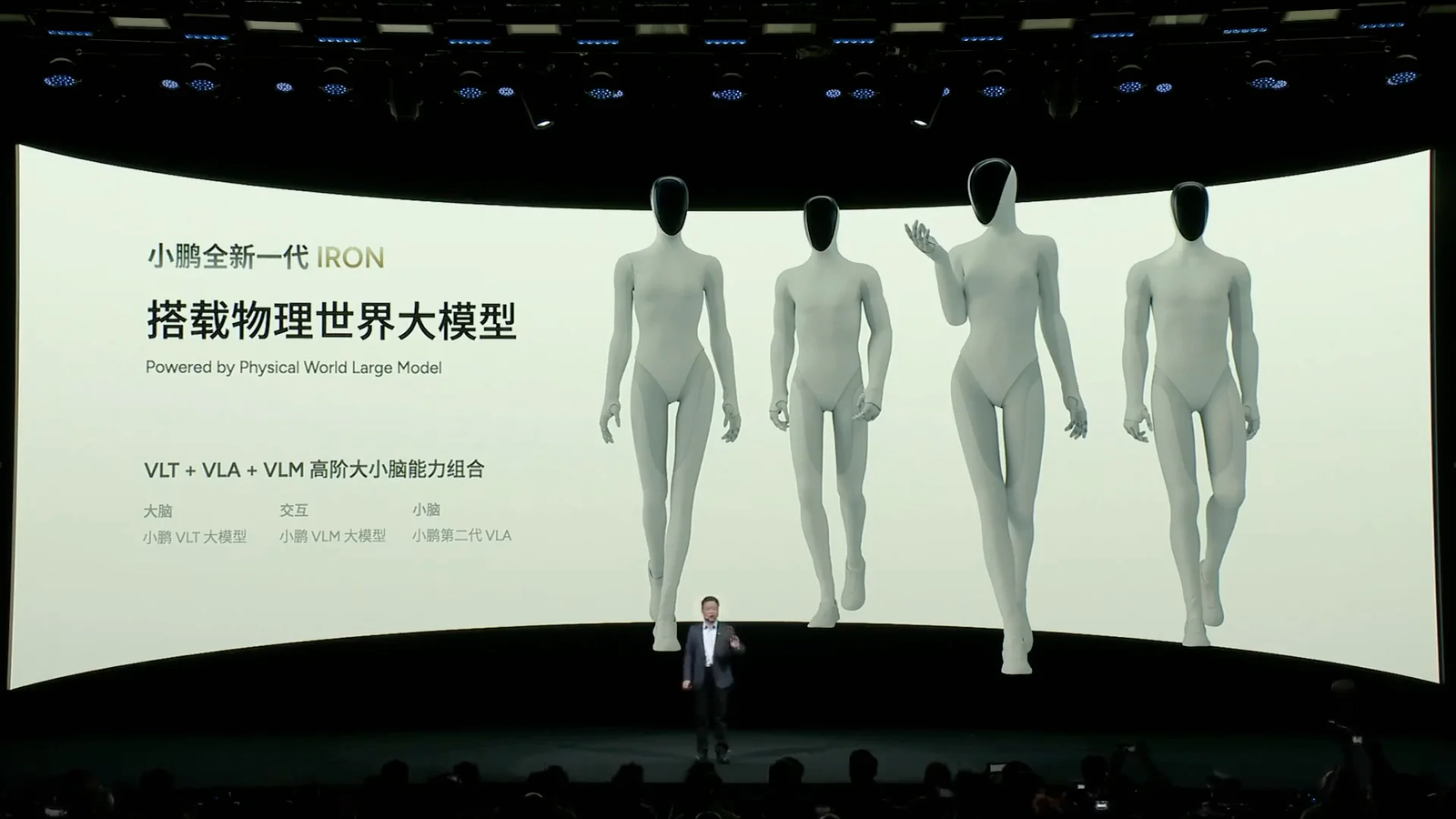
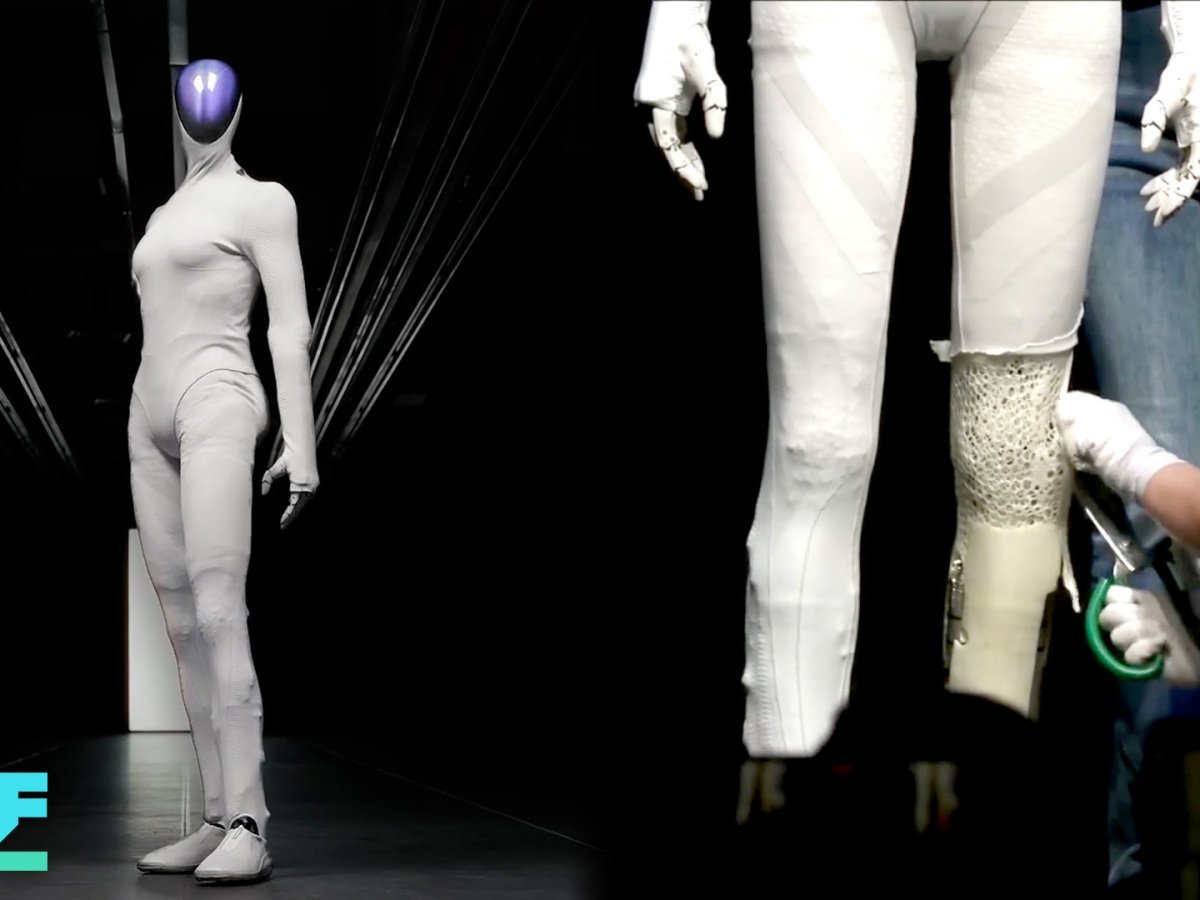
In the rapidly advancing world of technology, it takes a lot to truly shock a global audience. Chinese electric vehicle and tech company XPeng managed to do just that with their latest creation: a humanoid robot named IRON. A video of IRON Robot walking with incredibly fluid, human-like grace went viral, sparking widespread debate. The movements were so convincing that many viewers speculated it was simply a person in a sophisticated suit. To quell the rumors, XPeng took a dramatic and unprecedented step: they cut the robot open on stage, revealing the complex machinery within.
A Necessary Stunt to Showcase a Technological Leap
While cutting open a multi-million-dollar prototype seems extreme, it was a powerful statement. XPeng aimed to prove that IRON represents a significant leap forward in robotics. The private demo that followed the viral stunt offered a closer look at the technology that makes this robot so uncannily human. Unlike the often clunky and rigid movements we associate with robots, IRON’s motion is smooth, balanced, and nuanced. This is achieved through a combination of advanced actuators, sophisticated sensors, and an AI-powered control system that mimics human biomechanics with stunning accuracy.
The Technology Behind the Graceful Movements
XPeng’s engineers focused on creating what they call a “hyper-human” design. This philosophy extends beyond just appearance; it’s about replicating the subtle dynamics of human movement. Here’s a breakdown of the key components:
- Advanced Actuators: These act as IRON Robots’s muscles, providing precise and powerful movements that allow it to walk, balance, and interact with its environment smoothly.
- AI-Powered Brain: At its core, IRON is run by a powerful AI that processes vast amounts of sensory data in real-time. This allows it to adapt to different terrains and maintain its balance, much like a human does subconsciously.
- Proprioceptive Sensors: These sensors give IRON a sense of its own body in space, allowing for coordinated and stable movements without the jerky corrections seen in older robotic models.
What Hyper-Realistic Robots Mean for the Philippines
The development of humanoid robots like IRON isn’t just a fascinating tech demo; it signals a future where robots could play a much more integrated role in our daily lives. For the Philippines, this could have profound implications across various sectors. Imagine robots assisting in manufacturing lines with human-like dexterity, performing complex tasks in healthcare, or even aiding in disaster relief operations in hard-to-reach areas.
The increasing integration of technology into our society is undeniable. We’ve already seen how smart devices have reshaped personal industries, a trend highlighted in our look at the HONOR Robot Phone and the future of vlogging. The arrival of advanced humanoids like IRON could accelerate this transformation, introducing new efficiencies and capabilities to the Filipino workforce and economy.
Are We Ready for Robots That Look and Move Like Us?
XPeng’s decision to design IRON with such a human-like form, including features that mimic female anatomy, has also sparked discussion about the psychology of human-robot interaction. The company argues that a familiar, human form will make these robots more approachable and easier to integrate into human-centric environments. As these machines become more common, they will challenge our perceptions of technology and what it means to be human.
The viral moment of cutting IRON open did more than just prove it was a machine; it opened a conversation about our readiness for a future where the line between human and robot is increasingly blurred. IRON is a testament to how far robotics has come and a compelling glimpse into a future that is arriving faster than we think.
