

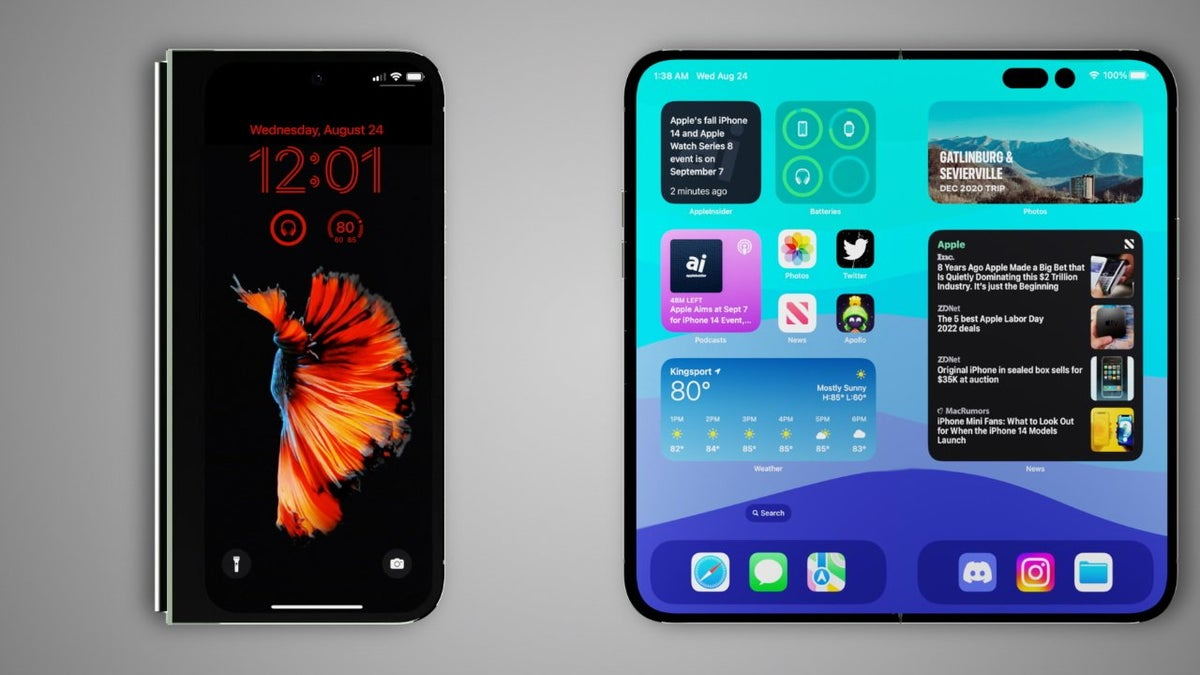
The smartphone market has been buzzing with innovation, and for the past few years, the foldable category has been its most exciting frontier. Brands like Samsung, Huawei, and Google have already staked their claims, offering devices that blend the portability of a smartphone with the screen real estate of a tablet. Yet, one name has been conspicuously absent: Apple. The tech giant from Cupertino is famous for its meticulous approach, often waiting to perfect a new technology before entering a market. Now, the rumor mill is churning faster than ever, suggesting that an Apple foldable, tentatively dubbed the “iPhone Fold,” is not a matter of ‘if’ but ‘when’—and at what cost.
Recent reports have sent shockwaves through the tech community, pointing to a potential price that could make even the most dedicated Apple fans think twice. Let’s dive into the details of this rumored device and what it could mean for consumers in the Philippines.
The Staggering Price: Over ₱140,000?
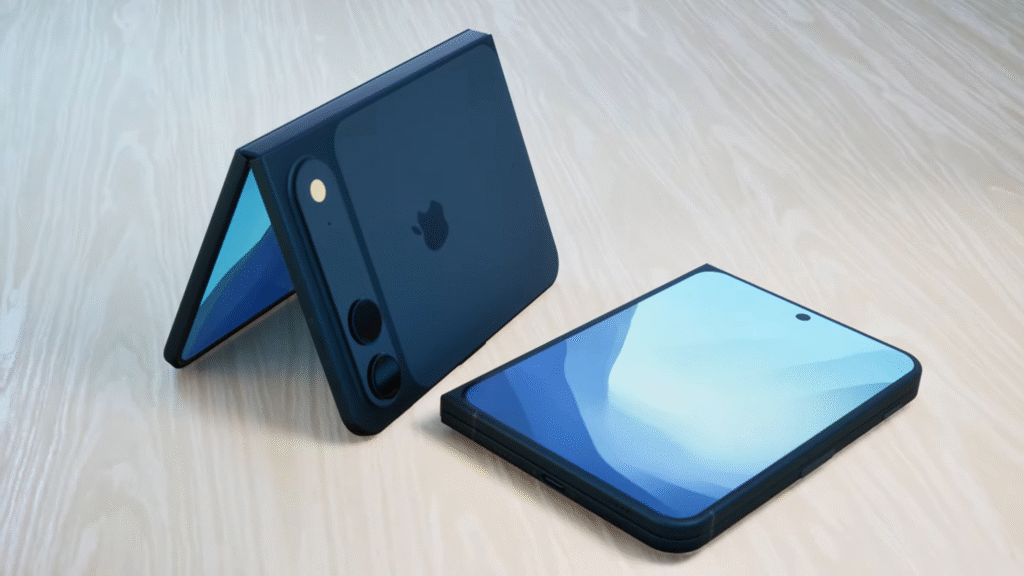
According to the latest industry whispers, Apple’s first foldable iPhone could launch with a jaw-dropping price tag of around $2,399. For the Philippine market, this translates to roughly ₱140,000, depending on the exchange rate and local taxes. This figure positions the device firmly in the ultra-premium luxury category, surpassing even the highest-tier iPhone 15 Pro Max and its competitors in the foldable space.
To put this into perspective, the Samsung Galaxy Z Fold 5, a mature and feature-rich foldable, launched in the Philippines with a starting price of ₱98,990. Google’s Pixel Fold, while not officially available here, retails for $1,799 (~₱105,000) in the US. Apple’s rumored price is a significant leap, suggesting the company is planning to justify the cost with unparalleled technology, design, and integration into its ecosystem.
What Could Possibly Justify Such a Premium Cost?
A ₱140,000 price is a tough pill to swallow, so what could Apple be packing into the iPhone Fold to command such a fee? While nothing is confirmed, analysis of Apple’s patents and supply chain reports gives us a few clues.
1. A Crease-Free, Durable Display
One of the biggest challenges for foldable phones has been the visible crease in the middle of the screen and long-term durability. Apple is reportedly working on a revolutionary hinge mechanism and a more robust flexible OLED panel that could significantly reduce or even eliminate the crease, offering a seamless viewing experience that competitors haven’t yet achieved.
2. Premium Materials and Uncompromising Design
Apple is synonymous with build quality. We can expect the iPhone Fold to feature high-end materials like a titanium frame, similar to the current iPhone 15 Pro models, and Ceramic Shield glass for enhanced durability. The design will likely be incredibly thin and light, pushing the boundaries of engineering to create a device that feels as premium as it costs.
3. Seamless Software Integration with iPadOS Features
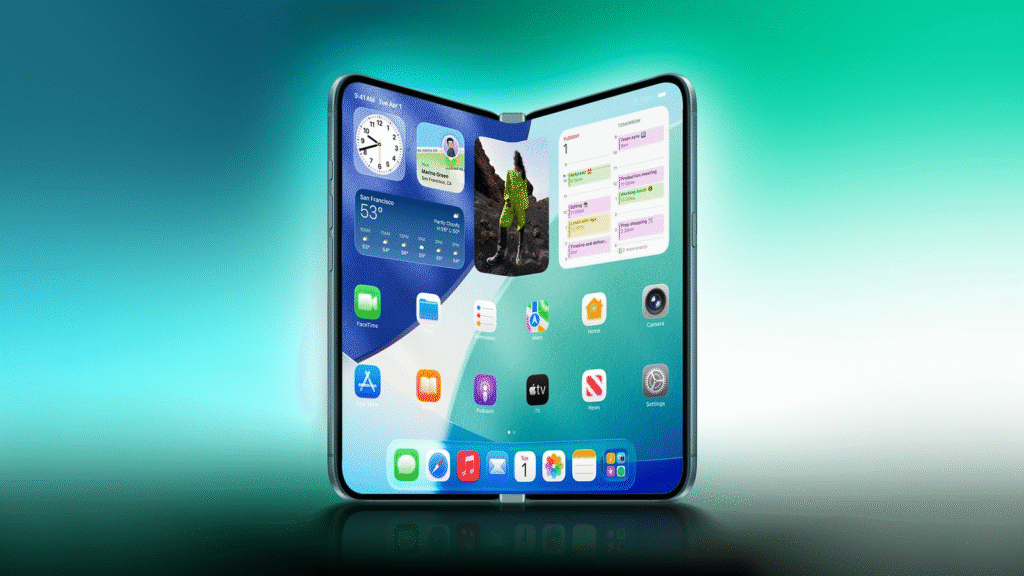
The true magic of an Apple product is often its software. An iPhone Fold would likely run a hybrid version of iOS and iPadOS, offering powerful multitasking capabilities like Stage Manager when unfolded. This could transform the device into a productivity powerhouse, a feature that might appeal to professionals who need to work on the go. This level of software polish is where Apple could truly differentiate itself.
Timeline: Don’t Hold Your Breath Just Yet
While the price rumors are heating up, the release date remains a distant prospect. Most analysts agree that we are unlikely to see a foldable iPhone before late 2025 or even 2026. Apple is known for its extensive testing and refinement process. They are likely observing the current market, learning from the successes and failures of other brands, and waiting for the underlying technology to mature to meet their high standards.
This extended timeline also gives the supply chain for foldable components more time to mature, which could potentially help in managing production costs, though the initial launch price is still expected to be high.
The Philippine Context: Is There a Market?
The Philippines has a vibrant and growing market for flagship smartphones, with a strong following for Apple products. Despite the high prices, the latest iPhones consistently see strong sales. A foldable iPhone, positioned as the ultimate status symbol and technological marvel, would undoubtedly attract significant interest from early adopters, tech enthusiasts, and high-income consumers.
However, the ₱140,000 price point would place it in a niche category, far beyond the reach of the average consumer. For many, it will be a fascinating piece of technology to watch from afar rather than a practical purchase. It will also face stiff competition from other brands that may offer more affordable foldable options by the time Apple enters the scene. This dynamic is not new in the local market, and as we’ve seen with other premium gadgets, there is always a segment willing to pay for the best. For those considering an upgrade to a premium device in the current ecosystem, it’s worth checking out the latest offerings, such as the powerful MacBook Pro M5 that recently landed in the Philippines, to see how Apple prices its top-tier products locally.
Final Thoughts: The Waiting Game Continues
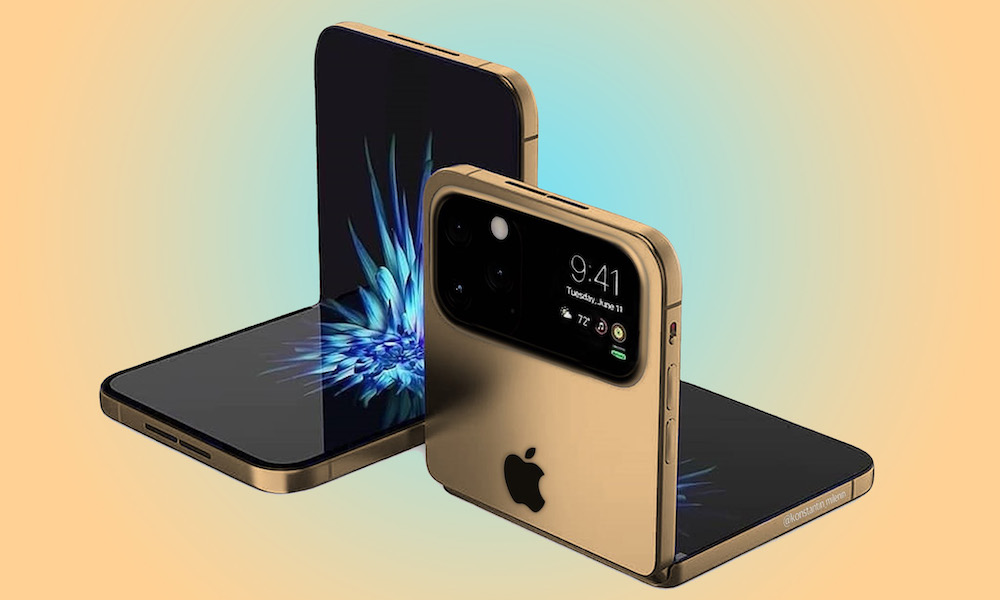
The rumor of a $2,399 foldable iPhone is both exciting and daunting. It signals Apple’s ambition to redefine the category with a product that spares no expense in its pursuit of perfection. For Filipino tech fans, it sets a new benchmark for what a luxury smartphone could be.
For now, all we can do is wait and see. The iPhone Fold remains a tantalizing glimpse into the future of mobile technology. While the price may be steep, if any company can convince the world to pay a premium for a revolutionary user experience, it’s Apple. Would you be willing to invest in a foldable iPhone at this rumored price? The debate is just getting started.
